Blog / Mazda MX-5 Miata

Is the Mazda MX-5 Miata a Reliable Sports Car?

A Blue Mazda MX-5 Parked on the Side of the Road in Autumn

The Mazda MX-5 Miata has won over countless enthusiasts as one of the most beloved sports cars of all time, but many potential buyers can't help wondering if this spirited roadster is built to last. Nobody wants ownership of their dream sports car to turn into a nightmare of repair bills, so in this article, our team at John Kennedy Mazda Conshohocken explores the Miata's reliability data and common problems to help you figure out which model years deliver the best long-term dependability.

Generation-By-Generation Reliability Breakdown

The Mazda MX-5 Miata spans four generations:

  • Fourth generation (ND): 2016-present
  • Third generation (NC): 2006-2015
  • Second generation (NB): 1999-2005
  • First generation (NA): 1990-1997

Generally speaking, Mazda MX-5 reliability has gotten better with each new generation, with the current fourth generation dominating reliability rankings. Consumer Reports says the 2024 MX-5 Miata is "much more reliable than the average new car," while RepairPal hands out a solid 4.0 out of 5.0 reliability rating for the 2025 model, ranking it eighth out of 21 subcompact cars. J.D. Power also gives the ND generation solid marks — the 2019 model had an 86/100 reliability score, while 2023 models scored 76/100.

Over the generations, Mazda has made real improvements to the MX-5's overall engineering and design, which have contributed to its outstanding reliability.

Common Problems With the Mazda Miata

While Miatas are generally reliable, each generation has its issues that you should know about.

Fourth Generation

Current ND models can develop suspension sagging on one side, transmission issues, power-folding roof problems, fuel pump failures, dashboard light faults, jammed seatbelts, and occasional airbag concerns. The 2016 model year received the most complaints, with 33 reported to the National Highway Traffic Safety Administration. However, the 2024 and 2025 MX-5 models have had only one recall, affecting 12,244 cars, for a traction control light issue.

Third Generation

NC models are known for roof leaks, battery drain, and clutch and gearbox problems, such as grinding.

Second Generation

NB models can experience brake slipping in wet conditions, engine stalling and sudden loss of power, and engine misfires from failing ignition coil packs.

First Generation

Classic NA models might get their manual transmissions stuck in reverse, suffer timing belt failures, or have crankshaft pulley and keyway issues.

Despite the problems mentioned, only 10% of Mazda repairs are considered serious — below the 12% average for all vehicle models.

Maintenance Requirements and Costs

Miatas are surprisingly cheap to maintain. Mazda recommends service every six months or 7,500 miles, whichever comes first. Routine maintenance includes oil changes every 7,500 miles, tire rotations at the same interval, brake checks every 15,000 miles, engine air filter swaps every 30,000 miles, and spark plug replacements every 60,000 miles.

The Miata's annual maintenance cost averages $429 per year, which is lower than that for many other sports cars, including the Nissan 370Z ($504), Toyota Supra ($561), and Chevrolet Camaro ($585).

Most and Least Reliable Miata Model Years

If you're shopping for a dependable Miata, the ND generation typically offers the best reliability. However, you'll want to think twice about the 2016 models due to high complaint numbers; you're safer betting on the 2018 and newer years if reliability is your primary concern.

The second-generation NB models grab second place for reliability and make great used car picks if you want proven dependability without the latest tech. NC models sit in the middle of the pack reliability-wise, while those original NA models rank lowest — mostly due to issues you'd expect in cars over 25 years old.

Mazda Reliability Data

Mazda is well known for being a reliable brand. Consumer Reports ranks Mazda sixth out of 32 brands for reliability based on data collected from over 300,000 vehicles for the 2000 to 2024 model years. RepairPal ranks Mazda even higher, naming it fifth out of 32 car brands with a 4/5 rating.

When you combine these results with specific Miata reliability data, it's clear that the Mazda MX-5 Miata is a reliable option if you're in the market for an everyday sports car. It gives you solid dependability without the premium price tag associated with many performance vehicles.

Experience the Reliable Miata at John Kennedy Mazda Conshohocken

If you're a Pennsylvania driver who wants this perfect mix of reliability and driving excitement, contact us at John Kennedy Mazda Conshohocken to schedule a test-drive and see why the Miata keeps earning top reliability marks year after year. Our team can walk you through the newest MX-5 Miata models and answer all your questions about long-term ownership costs and reliability. Whether you're buying your first sports car or upgrading to something with a proven track record, we're here to help you pick the right car for years of dependable driving enjoyment.

Posted in:

Related Posts

A Blue Mazda MX-5 Parked on the Side of the Road in Autumn

What Is the Best Year Mazda Miata to Buy?

Picking the right Mazda Miata year can feel overwhelming when you're staring at decades of production history. Each generation brings something different, whether it's pure driving nostalgia, modern tech, or that sweet spot of reliability and affordability. The truth is, there's no single "best" Miata year. What works for a collector hunting weekend won't necessarily fit someone who needs daily-driver practicality. Your driving style, budget, and priorities shape which model year makes the most sense. This guide breaks down Mazda Miata generations, highlights standout years for different buyer types, and helps you navigate common pitfalls when shopping for a used Mazda Miata. Whether you're after raw driving feel or contemporary safety features, understanding these differences puts you in control of finding your perfect roadster. more Used Miata Inventory A Quick Guide to Mazda Miata Generations The Miata's story began in 1989, when Mazda brought lightweight roadster thrills back to the masses. That first generation, known as the NA, captured hearts with pop-up headlights and pure sports car DNA. It proved you didn't need massive horsepower to have a blast behind the wheel. Mazda refined the formula through three more generations. The NB (1999-2005) kept the lightweight philosophy while adding more power and improved rigidity. The NC (2006-2015) grew slightly larger and introduced a power-retractable hardtop option. The current ND generation (2016-present) returned to the NA's lighter weight philosophy while packing in modern technology and safety systems. Generation Years Engine/Power Notable Features Key Updates NA (1st Gen) 1989-1997 1.6L: 116 hp (early); 1.8L: 128-133 hp (later) Pop-up headlights; iconic lightweight design 1994+ upgraded to 1.8L engine NB (2nd Gen) 1998-2005 1.8L: 140 hp (142 hp with VVT 2001+) Fixed headlights; stiffer chassis; larger brakes NB2 facelift improved handling NC (3rd Gen) 2006-2015 2.0L MZR: 167-170 hp Power retractable hardtop option; more interior space NC2 (2009+): forged internals, 7,200 rpm redline, stronger transmission ND (4th Gen) 2016-Present 2.0L: 155 hp (ND1); 181 hp (ND2 2019+) Lightest modern Miata; 7,500 rpm redline (ND2) ND2 update: 181 hp, 151 lb-ft torque Best Miata Years for Every Type of Buyer Not everyone shopping for a Miata wants the same thing. Track enthusiasts chase different features than daily commuters. Your budget plays a huge role, too. The beauty of the Miata's long production run? Strong options exist for virtually every buyer profile. Driving Style Recommended Years Key Reasons Pure Enthusiast/Track 1999-2005 NB or 2009+ NC Sharp handling, strong aftermarket, high-rev engines Daily Driver/Comfort 2006-2015 NC More interior space, storage, PRHT option Modern Performance 2019-2025 ND2 181 hp, lightweight, latest technology Weekend Cruiser/Collector 1994-1997 NA Iconic pop-up headlights, pure driving experience Best Overall Value: 1999–2005 NB Miata The NB generation hits a sweet spot that's tough to beat. These models deliver more punch than the NA with their 1.8-liter engine producing up to 142 horsepower in later years. The chassis received significant stiffening compared to the first generation, resulting in sharper handling without sacrificing playful character. Price points make the NB particularly attractive right now. These cars are old enough to be reasonably priced but young enough to sidestep rust and wear issues plaguing earlier models. Parts remain readily available, and the enthusiast community offers extensive knowledge for maintenance and modifications. You get genuine sports-car thrills without the premium pricing of newer ND models. Best for Modern Features: 2019–2025 ND2 Miata The ND2 represents the Miata's current pinnacle. That designation refers to the mid-cycle refresh that bumped engine output to 181 horsepower, making it the most powerful standard Miata ever. Beyond raw power, these models offer advanced safety technology, including automatic emergency braking and lane departure warning. Infotainment systems in the ND2 feel genuinely modern with smartphone integration and responsive touchscreens. Build quality reached new heights, and interior materials finally match what buyers expect from a modern car. The ride is more refined than older generations while still delivering razor-sharp handling. If you want to explore our new Mazda MX-5 Miata inventory, these 2019 and newer models represent the best of what Mazda has to offer today. Best Budget-Friendly Option: 2006–2015 NC Miata The NC generation is often overlooked, creating real opportunities for budget-conscious buyers. These models stay reasonably priced because purists tend to favor the NA/NB's lighter weight or the ND's modern appeal. What you get is still plenty engaging. The NC brought a more powerful 2.0-liter engine and better crash protection than earlier models. Creature comforts improved noticeably, and the PRHT option adds year-round versatility. Reliability ratings are strong across most NC years (though we'll address some exceptions in a bit). For affordable entry into Miata ownership without dealing with a 25-year-old car, the NC delivers solid value. You can browse our used inventory to see what's currently available. Best for Collectors: 1994–1997 NA Miata The original NA Miata carries special appeal for collectors and purists. These years represent the refined version of Mazda's initial concept, with meaningful improvements over the earliest 1990-1993 models. The 1.8-liter engine arrived in 1994, bringing more torque and better drivability than the original 1.6-liter. Pop-up headlights and classic proportions give these cars timeless style. The driving experience is raw and mechanical in the best way. Every input feels directly connected to what the car does. Values have been climbing as enthusiasts recognize the NA's historical significance. Clean, well-maintained examples from these years are becoming harder to find, which only increases their collectibility. Most Reliable Mazda Miata Model Years Reliability is one of the Miata's biggest calling cards across nearly all generations. Mazda built these cars to be driven hard and to be easy to maintain. The most reliable years cluster around the NB and NC generations, which benefited from mature engineering without the electronics complexity found in many modern cars. The 2003-2005 NB models stand out particularly well. Mazda had worked out early issues, and these years featured the stronger 1.8-liter engine with VVT. Fewer electrical components mean fewer potential failure points. Routine maintenance keeps them running strong well past 150,000 miles. Within the NC generation, 2009-2015 models show excellent reliability records. The 2.0-liter MZR engine proved durable, and the six-speed transmissions hold up to enthusiastic driving. Service records matter more than mileage here. A well-maintained 100,000-mile NC often represents a better buy than a neglected 50,000-mile example. Early ND models (2016-2018) are still proving themselves, but initial reports look promising. The newer SKYACTIV technology brings efficiency improvements while maintaining reliability. Early signs point toward the tradition continuing. Miata Years to Approach with Caution While the Miata enjoys an enviable reliability reputation, a few model years deserve extra scrutiny. The 2006-2008 NC models saw more complaints about interior quality issues and minor electrical gremlins than surrounding years. Door panel rattles and window regulator failures pop up more frequently in these early NC examples. The 2016 ND had some initial production quirks as Mazda launched the new generation. Nothing catastrophic, but first model years typically have more bugs to work out. Buyers should inspect these carefully and verify that any warranty work was completed. The 1990-1992 NA models, while charming, are now over 30 years old. Age brings its own challenges regardless of how well Mazda engineered them. Rust, worn bushings, and tired transmissions are common. These aren't years to avoid completely, but they require thorough inspection and realistic expectations about maintenance needs. What to Look for When Shopping for a Used Miata Buying a used Miata requires attention to specific issues that plague these roadsters more than typical sedans. The enthusiast community has documented common problems extensively, so you're not flying blind when you know what to check. Start your inspection in bright daylight. Walk around the car slowly and look at the panel gaps. Uneven gaps or mismatched paint often indicate accident damage. Check tire wear patterns, which reveal suspension or alignment issues. Pop the hood and look for fluid leaks, worn belts, or corroded battery terminals. Rust and Structural Concerns Rust is enemy number one for Pennsylvania buyers. These cars have several vulnerable spots that trap moisture and road salt. The rocker panels behind the doors rust from the inside out. By the time you see bubbling paint, the damage is often extensive. Get underneath the car and inspect carefully with a flashlight. The frame rails near the front control arms and the rear subframe mounting points need close examination. Poke suspect areas gently with a screwdriver. Soft metal or flaking rust means trouble. The area behind the rear wheel wells and the battery tray also corrodes frequently. Southern cars or garage-kept examples typically show less rust than vehicles from snow-belt states like Pennsylvania. Surface rust on exhaust components or suspension parts is normal on older cars. You're looking for structural rust that compromises safety or requires expensive welding repairs. Mechanical Red Flags and Service History Service history tells you how the previous owner treated the car. Look for regular oil changes, timing belt replacements at recommended intervals, and records of addressing technical service bulletins. Gaps in maintenance records should raise questions. Before finalizing any purchase, consider scheduling a pre-purchase inspection with our technicians to identify any hidden issues. Test-drive the car under various conditions. The transmission should shift smoothly without grinding or popping out of gear. The clutch should engage progressively without chatter or slip. Listen for clunks from the differential or clicking sounds from CV joints. Check the soft top carefully. Torn windows or ripped fabric are expensive to replace. Make sure the latches work properly and the top seals against wind and water. PRHT on NC models needs testing through complete open and closed cycles. Listen for struggling motors or unusual noises. Choosing the Right Miata for Your Driving Style Your intended use should guide which Miata makes the most sense. Track day enthusiasts might prioritize the lighter NA or NB models, which respond beautifully to modifications. The simpler mechanical systems make these generations easier to work on and upgrade. Daily drivers benefit from the NC or ND's improved comfort and safety features. Climate control that actually works makes year-round driving more pleasant. Sound insulation reduces highway fatigue. Modern safety systems provide peace of mind on the road. These considerations matter more when you're putting 15,000 miles on the car each year rather than occasional weekend drives. Manual transmissions are part of the Miata's soul for many buyers. The six-speed in NC and ND models offers better highway cruising than the five-speed in earlier cars. However, the five-speed's shorter gearing makes lower-speed driving more engaging. Think honestly about modification plans, too. If you want to build a heavily modified car, the NA or NB makes more sense. The aftermarket support is deeper, and you won't feel guilty cutting up a newer car. Prefer driving a well-sorted factory car? The ND gives you the most refined experience straight from the showroom. Find Your Mazda Miata at John Kennedy Mazda Conshohocken Ready to start your Miata search with expert guidance? John Kennedy Mazda Conshohocken brings nearly 70 years of automotive experience to help you find the right roadster. Located at 1411 Ridge Pike in Conshohocken, Pennsylvania, we offer both new and pre-owned Mazda vehicles, including the latest ND2 Miata models. Our factory-trained technicians understand these cars inside and out. Whether you're buying new or used, our service department can perform pre-purchase inspections to give you confidence in your investment. We use genuine Mazda parts and have access to complete service histories for vehicles previously serviced here. Our sales team can walk you through financing options that fit your budget. We understand the different generations and can help match your driving style with the right model year. Contact our team at 610-272-0700 or visit during our extended weekday hours, which run until 8 PM. Saturday appointments are also available. Stop by to see our current Miata inventory and experience firsthand why these roadsters have captivated drivers for over three decades. The right Miata is waiting for you.

mazda-3-vs-honda-civic

2026 Mazda3 vs. Honda Civic | John Kennedy Mazda

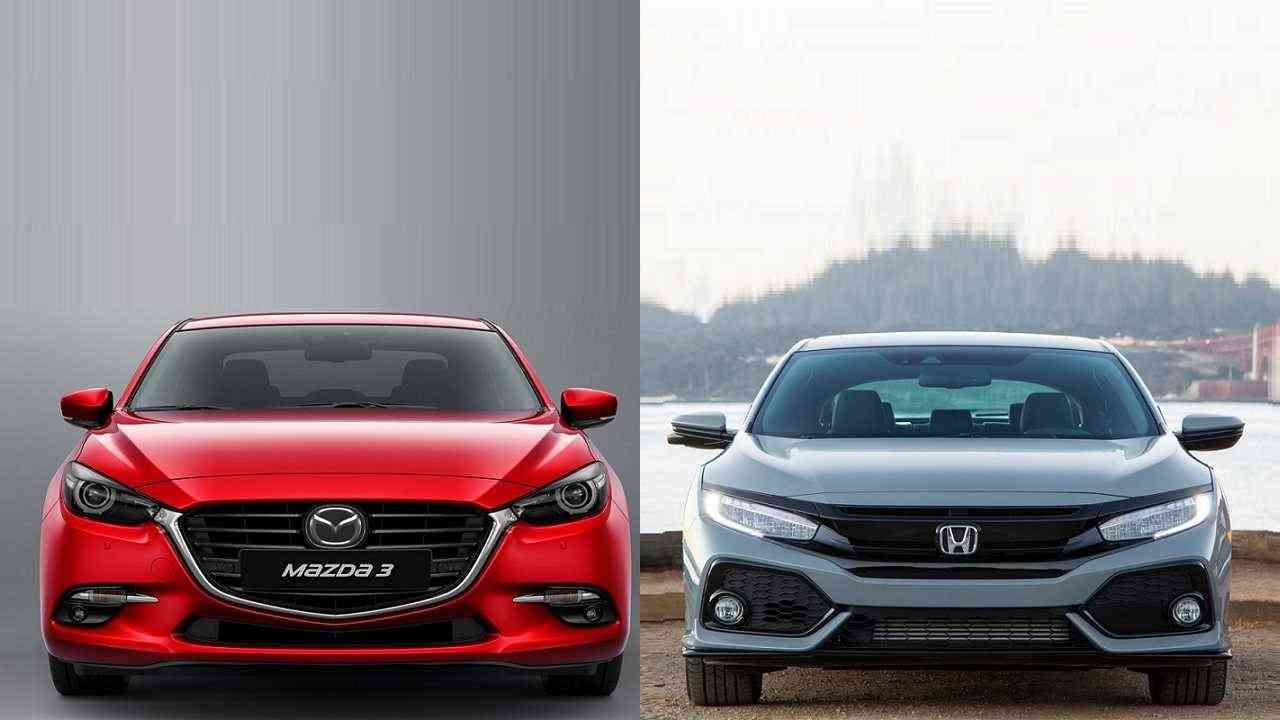
2026 Mazda3 vs. Honda Civic: Which Compact Car Wins? The compact car segment may have shrunk over the years as SUVs took over the market, but two of the best options left standing are the Mazda3 and the Honda Civic. Both are practical, efficient, and well-reviewed. But they take genuinely different approaches to what a compact car should be. Here's a full breakdown from the team at John Kennedy Mazda of Conshohocken to help you decide which one is the smarter choice. Quick Comparison: 2026 Mazda3 vs. 2026 Civic Starting MSRP — Mazda3: $24,650 | Civic: $24,695 Standard Engine — Mazda3: 2.5L SKYACTIV-G I4, 186 hp / 186 lb-ft | Civic LX: 2.0L I4, 150 hp / 133 lb-ft Top Available Gas Engine — Mazda3 Turbo: up to 250 hp / 320 lb-ft | Civic Si: 200 hp (turbocharged) Hybrid Option — Not offered on Mazda3 | Civic Hybrid: 200 hp combined, up to 50 mpg city / 47 mpg highway All-Wheel Drive — Available on Mazda3 (Carbon Edition and Turbo Premium Plus trims) | Not offered on Civic — FWD only, every trim Manual Transmission — Available on Mazda3 Hatchback S Premium | Available on Civic Si and Type R Body Styles — Mazda3: sedan and hatchback | Civic: sedan and hatchback Safety — Mazda3: 2026 IIHS Top Safety Pick+, 5-star NHTSA rating | Civic: standard Honda Sensing safety suite across the lineup Power and Standard Performance: The Mazda3 Takes the Lead Right out of the gate, the Mazda3 outmuscles the Civic. Every base Mazda3 comes with a 2.5L four-cylinder producing 186 horsepower and 186 lb-ft of torque, well ahead of the Civic LX's 150-hp, 133-lb-ft engine. For buyers who don't want to pay extra just to get adequate merging power, that gap matters from the very first test drive. Step up to the Mazda3 Turbo and output climbs to as much as 250 horsepower and 320 lb-ft on premium fuel — more torque than most rivals in this class offer, and enough to make the Mazda3 feel genuinely quick rather than just adequate. All-Wheel Drive: A Rare Advantage in the Compact Class This is one of the Mazda3's biggest differentiators. Available i-Activ All-Wheel Drive on the Carbon Edition and Turbo Premium Plus trims gives Conshohocken-area drivers real confidence in snow and rain — a feature the Civic simply doesn't offer at any price or trim level, since every 2026 Honda Civic is front-wheel drive only. For buyers who want compact-car efficiency without giving up all-weather traction, the Mazda3 is one of the only vehicles in its class that can deliver both. Interior Feel and Driving Dynamics The Mazda3 has built a reputation for punching above its price class inside the cabin, with tight panel gaps, soft-touch materials, and a driving position reviewers consistently describe as feeling a size up from other compact cars. Steering, pedal feel, and overall composure are frequently cited as best-in-class, making the Mazda3 feel more like a premium compact than a budget-focused commuter car. The tradeoff is rear-seat space, which remains on the tighter side for taller passengers — something to keep in mind if you regularly carry adult passengers in the back. To Be Fair: Where the Civic Holds Its Own The Civic isn't just riding on Honda's reputation. Its available hybrid powertrain is a genuine standout, delivering 200 horsepower alongside an EPA-estimated 50 mpg city and 47 mpg highway — figures the gas-only Mazda3 simply can't match. The Civic also offers a roomier rear seat than the Mazda3, standard Honda Sensing driver-assist technology across the entire lineup, and available Google built-in infotainment on top trims. For buyers whose top priority is maximum fuel economy or rear-seat space over outright power and AWD availability, the Civic remains an excellent choice. The Verdict Both of these compact cars are excellent, and neither is a bad choice. But for buyers who want more standard horsepower, a genuinely quick turbo option, a more premium-feeling cabin, and the rare availability of all-wheel drive in the compact segment, the 2026 Mazda3 comes out ahead. The Civic remains a strong pick for drivers who prioritize hybrid fuel economy and rear-seat room above all else, but if you want a compact car that feels special to drive every single day, the Mazda3 is the stronger overall package. See the 2026 Mazda3 for Yourself Visit John Kennedy Mazda of Conshohocken to test drive the Mazda3 and see how it compares to the Civic in person. View Mazda3 Inventory Schedule a Test Drive Proudly Serving Conshohocken and the Surrounding Communities John Kennedy Mazda of Conshohocken is a convenient stop for Mazda3 shoppers throughout Montgomery, Delaware, and Philadelphia Counties. We're proud to serve drivers from: Conshohocken, PA West Conshohocken, PA Plymouth Meeting, PA Norristown, PA East Norriton, PA West Norriton, PA King of Prussia, PA Ardmore, PA Willow Grove, PA Broomall, PA Drexel Hill, PA Springfield, PA Lansdowne, PA Philadelphia, PA No matter which of these communities you call home, our Conshohocken showroom is just a short drive away. Browse our full new Mazda inventory or visit our homepage to learn more about financing, trade-ins, and current offers. Pricing, specifications, and third-party data referenced above are current as of publication and sourced from Mazda USA, Honda.com, Edmunds, Kelley Blue Book, and TrueCar. Specs and pricing are subject to change by each manufacturer and may not include destination fees, taxes, title, or dealer charges. See John Kennedy Mazda of Conshohocken for current pricing, incentives, and availability.

2024 Mazda CX-30 Scenic 7

What's the Difference Between the 2025 and 2026 Mazda CX-30

Shoppers considering the Mazda CX-30 face a common question: buy the current model year or wait for the latest generation? The 2026 Mazda CX-30 brings meaningful upgrades that address technology and refinement, particularly with its new Aire Edition trims and enhanced infotainment system. Understanding these changes helps you decide whether the new features justify waiting or if the 2025 model already delivers what you need. We invite you to browse our CX-30 inventory at John Kennedy Mazda Conshohocken to compare both model years firsthand. Both model years deliver Mazda's signature driving dynamics and premium feel. But the 2026 version adds features that some buyers will consider essential, while others may view as optional luxuries. Your priorities around connectivity, styling preferences, and budget will determine which model makes more sense for your Conshohocken or Montgomery County driving needs. more New CX-30 Inventory What's New for the 2026 Mazda CX-30 The 2026 Mazda CX-30 introduces two Aire Edition trims (one with the base engine and one with the turbo powerplant) that bring distinctive styling elements to the lineup. These additions expand buyer choices with unique design touches, including white leatherette seats with gray cloth inserts, gray suede-like interior trims, 18-inch black metallic aluminum alloy wheels, black roof rails and side mirrors, and gloss black badges. Wireless phone charging comes standard on both Aire Edition trims. Technology receives significant attention in the 2026 refresh. The infotainment system now features an available 10.25-inch touchscreen display on Preferred and higher trims, improving visibility and navigation. Wireless Apple CarPlay® and Android Auto™ eliminate cable clutter, while faster software response times streamline menu navigation during your daily commutes around Montgomery County. Performance refinements focus on improving ride quality rather than increasing power. Engineers updated suspension tuning and made drivetrain adjustments that reduce harshness over rough pavement while maintaining sporty handling. A new limited-slip differential enhances cornering stability and traction control. These changes make longer highway trips more comfortable without sacrificing the agile feel that defines the CX-30 experience. Visual updates keep the design fresh with subtle styling tweaks, new wheel designs, and additional color options, giving buyers more ways to personalize their vehicles. Design and Technology Updates Compared Exterior and Interior Styling Changes The 2026 model evolves with refinements that enhance its athletic stance. Updated wheel designs create a more dynamic profile, while new paint colors expand customization options beyond those offered by the 2025 model. Inside, material quality takes a step forward. The 2026 model features upgraded fabrics and trim pieces that elevate the premium atmosphere Mazda cultivates across its lineup. Better cabin insulation reduces road noise and wind intrusion, creating a quieter environment for conversations and reducing driver fatigue during extended trips. The interior layout remains familiar, making it appealing to existing owners considering an upgrade. Controls remain in logical positions, and the driver-focused cockpit design continues to emphasize ergonomics and intuitive operation. Infotainment and Connectivity Enhancements Technology improvements represent compelling reasons to consider the 2026 model. The larger 10.25-inch screen provides better visibility for navigation maps and more accurate touchscreen input. Response times improve noticeably, eliminating lag when switching between functions or entering destinations. Wireless smartphone integration transforms daily usability. The 2026 system connects automatically when you enter the vehicle, streamlining your routine and keeping charging ports available for other devices. 2025 vs 2026 Mazda CX-30 Comparison Feature 2025 CX-30 2026 CX-30 Base Engine SKYACTIV®-G 2.5L (191 hp, 186 lb.-ft) SKYACTIV®-G 2.5L (186 hp, 186 lb.-ft) Turbo Engine 2.5L Turbo (up to 250 hp, 320 lb.-ft) 2.5L Turbo (up to 250 hp, 320 lb.-ft) Base Fuel Economy 24 city / 31 hwy / 27 combined mpg 24 city / 31 hwy / 27 combined mpg Turbo Fuel Economy 22 city / 30 hwy / 25 combined mpg 22 city / 30 hwy / 25 combined mpg Drivetrain i-ACTIV AWD® standard i-ACTIV AWD® standard Limited-Slip Differential Not available Standard Infotainment Screen 10.25-inch available 10.25-inch available with faster response Smartphone Integration Wired Apple CarPlay®/Android Auto™ Wireless Apple CarPlay®/Android Auto™ Aire Edition Not available Available (base and turbo) Starting Price Varied by dealer $25,975 (2.5 S Package) Engine Performance and Fuel Economy Breakdown Both model years offer two proven powertrains. The standard SKYACTIV®-G 2.5-liter four-cylinder engine delivers 186 hp and 186 lb.-ft of torque, providing adequate acceleration for daily driving and highway merging. This naturally aspirated engine emphasizes smooth power delivery and fuel efficiency, making it ideal for commuters prioritizing economy. The turbocharged variant produces up to 250 hp and 320 lb.-ft of torque when fueled with premium gasoline. This engine transforms the CX-30's character, delivering strong acceleration that makes passing effortless. Fuel economy stays consistent across both model years, with the base engine achieving 24 city / 31 highway / 27 combined mpg and the turbo returning 22 city / 30 highway / 25 combined mpg. All-wheel drive remains standard across the lineup. The i-ACTIV AWD® system enhances traction on wet roads and provides confidence during Montgomery County winters, making the CX-30 practical for drivers facing challenging conditions. Safety and Driver Assistance Features Both model years maintain comprehensive i-Activsense® safety equipment. Adaptive cruise control automatically adjusts your speed to maintain a safe following distance. Lane-keeping assist provides gentle steering inputs to prevent unintentional drifting, reducing fatigue during long highway stretches. Automated emergency braking serves as a critical defense against collisions. The 2026 model's limited-slip differential enhances handling and stability by selectively braking wheels to control wheelspin and improve cornering grip. This technology benefits daily driving safety while also appealing to enthusiasts who appreciate sharper handling. Higher trims on both model years include Blind Spot Monitoring, Rear Cross Traffic Alert, Active Driving Display with Traffic Sign Recognition, and Adaptive Front-lighting System. The Turbo Premium Plus features Cruising and Traffic Support for enhanced highway assistance. Trim Levels and Pricing: 2025 vs 2026 Mazda CX-30 Available Trims and Feature Highlights The 2026 lineup expands to eight trims: 2.5 S Package, Select Sport, Preferred, Aire Edition, Carbon Edition, Premium, Turbo Aire Edition, and Turbo Premium Plus. Each trim targets specific buyer preferences, from budget-conscious shoppers seeking core features to luxury-minded customers wanting premium touches. Base trims include the Mazda Connect™ infotainment system, i-Activsense® safety technologies, and quality materials that maintain Mazda's reputation for value. Mid-level packages add heated seats, upgraded audio with SiriusXM®, and additional driver assistance features. Upper trims deliver premium experiences with enhanced seating surfaces, improved sound processing, and comfort features such as ventilated seats. The Aire Edition brings distinctive styling that appeals to buyers wanting something different. Unique exterior accents, special interior trim pieces, and exclusive color combinations give this trim personality that stands apart in dealer showrooms. Price Differences and Value Analysis The 2026 CX-30's pricing reflects enhanced technology and refinements, with modest increases compared to equivalent 2025 models, reflecting improved infotainment and wireless connectivity. Value analysis indicates that 2026 enhancements justify the price premium for buyers who prioritize technology. The faster infotainment response and wireless smartphone integration address common 2025 complaints and enhance the ownership experience over the years of use. Budget-conscious shoppers can find compelling value in either model year depending on available incentives. We often discount outgoing models significantly once the new version arrives, creating opportunities to offset technology differences and save. Contact our team to discuss current incentives and financing options. Should You Buy the 2025 or 2026 Mazda CX-30? When the 2026 CX-30 Makes Sense Technology-focused buyers will appreciate the 2026 improvements. The faster infotainment response and wireless smartphone integration address daily frustrations. If you rely heavily on navigation, streaming music, or hands-free communication, these enhancements justify the newer model. Style-conscious shoppers who want the latest design will prefer the 2026 updates. The new wheel designs, additional colors, and unique Aire Edition create fresh personalization options. Drivers prioritizing ride quality will notice the suspension refinements and limited-slip differential. The improved tuning delivers better isolation from road imperfections while maintaining handling precision, which is ideal for rough pavement or frequent road trips. When the 2025 CX-30 Is the Better Choice Budget considerations often make the 2025 model the smarter purchase. Dealership incentives on outgoing inventory can yield substantial savings that outweigh the cost of technological improvements. If you can secure a significant discount, the 2025 CX-30 delivers excellent value. Practical buyers who don't require advanced technology will find the 2025 model perfectly adequate. The core driving experience, safety features, and build quality match the 2026 version. If you typically use wired phone connections, the older infotainment system works fine for basic needs. Immediate availability favors the 2025 model. We stock these vehicles now, while 2026 inventory may take time to arrive, depending on production schedules. If you need a vehicle quickly, buying what's available makes more sense than waiting. Experience the Mazda CX-30 Difference at John Kennedy Mazda Conshohocken Compare Both Model Years In Person Comparing specifications online provides useful information, but experiencing both vehicles firsthand reveals differences that matter in daily use. We maintain an extensive inventory of both model years at our Conshohocken dealership, allowing side-by-side comparisons that help clarify which version suits your needs. Our team understands the specific updates and can explain how each feature benefits different driving styles. Test driving reveals subtleties that specs can't capture. The improved ride quality, updated infotainment responsiveness, and refined cabin atmosphere become apparent when you spend time behind the wheel. Schedule drives in both model years to directly compare the technology interfaces, seating comfort, and overall driving dynamics. Operating in Montgomery County since 1955, we bring extensive automotive experience to every customer interaction. We've sold Mazda vehicles since 2003 and understand what makes these crossovers appealing to Pennsylvania drivers facing varied weather conditions and diverse road types. Financing, Service, and Visit Information Our finance specialists work with multiple lenders to secure competitive rates and structure payments that fit your monthly budget. Whether you choose a 2025 model with dealer incentives or a 2026 version with the latest features, we'll develop a payment plan that works for your financial situation. Our service center employs factory-trained technicians who use genuine Mazda parts to maintain your vehicle's performance and reliability. Convenient online service booking, regular maintenance specials, and Saturday service hours accommodate busy schedules. Visit us Monday through Friday from 9 AM to 8 PM or Saturday from 9 AM to 5 PM to explore both model years. Contact our sales team at 610-272-0700 to schedule your test drive or discuss current inventory and pricing.