Blog / Brand vs. Brand

Mazda vs. Subaru: A Reliability Showdown

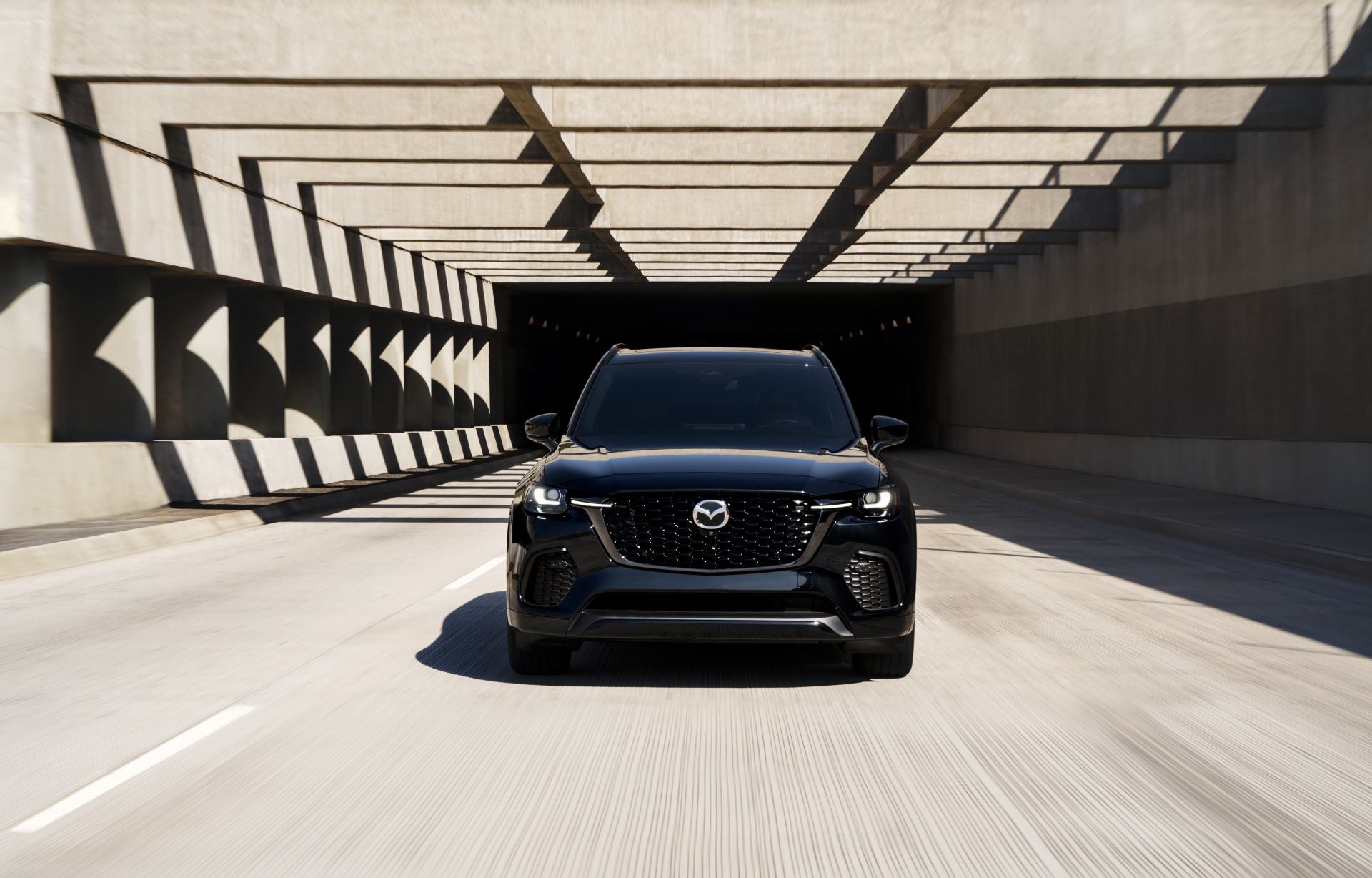
2025-Mazda-CX-70-front-view-web

Mazda and Subaru are renowned for engineering excellence and innovation. Models from both manufacturers are popular due to their exceptional exterior styling, advanced powertrains and performance features, and state-of-the-art technology. In this article, our team at John Kennedy Mazda Conshohocken compares the reliability of these two brands to help you make an informed decision.

Mazda Reliability Overview

If you're considering purchasing your first Mazda or upgrading your current vehicle to a more recent model, "How reliable are Mazda cars?" is a question that'll likely be on your mind. Mazda has built a reputation for producing cars that are popular worldwide. The brand integrates traditional philosophies in its manufacturing processes, such as its minimalism-inspired guiding principle of Monotsukuri . This attention to detail allows Mazda to consistently produce vehicles that score high on the reliability index.

The 2024 Mazda CX-5 has a reliability rating of 82 out of 100 for reliability and build quality, according to JD Power, making it one of the most reliable Mazda models. Repair Pal has awarded the model a 4.5 out of 5 reliability score, ranking it first among 26 midsize SUVs. Many Mazda owners with first-hand experience have also praised this model. Based on owner reviews, the Mazda CX-5 has higher reliability ratings than popular rivals such as the Toyota RAV4 and the Honda CR-V.

Subaru Reliability Overview

Subaru is synonymous with robust engineering and durability. With powerful BOXER engines and symmetrical all-wheel-drive systems, Subaru vehicles are competent on virtually any terrain and weather conditions.

Subaru is at the top of the Consumer Reports brand reliability rankings, surpassing Lexus and Toyota. The Subaru Forester and Impreza stand out with significantly above-average reliability scores, while the Crosstrek, Ascent, Outback, and  Legacy maintain above-average to average ratings. The only exception is the Solterra electric vehicle, a rebadged version of the Toyota bZ4X, which scores below average in reliability.

Head-To-Head Vehicle Comparison

To get a clearer sense of Subaru vs. Mazda reliability, it's worth comparing their flagship offerings in the compact SUV segment: the Subaru Forester vs. Mazda CX-5. While both models offer two rows of seating, they differ regarding their performance features and interior specs. 

The Subaru Forester offers a base engine that produces 170 horsepower and an optional one that generates 250 horsepower. The Forester also offers all-wheel drive as a standard feature. The Mazda CX-5 only has one engine option that delivers 187 horsepower and only offers all-wheel drive as an option.

The Forester offers a maximum cargo capacity of 74.7 cubic feet with the rear seats folded, offering a slight edge over the hatchback-styled Mazda CX-5's 59.6 cubic feet courtesy of its BOXER design. The CX-5 delivers a sportier performance with more responsive handling than the Forester. 

The Forester has a reliability rating of 3.5 out of 5, which ranks it 21 out of 26 in the compact SUV segment. The Mazda CX-5 has a score of 4.5 out of 5, positioning it first among 26 contenders in the midsize SUV segment. 

The Engine Difference: SKYACTIV vs. BOXER

Mazda and Subaru stand out among their peers with their sophisticated engines, designed to deliver superior performance and acceleration and a smooth, responsive drive.

While Mazda's SKYACTIV engine and Subaru's BOXER are equally reliable, each offers a slight advantage in different areas. The flat design of the BOXER engine gives Subaru models a lower center of gravity, enhancing stability and handling, particularly on rough terrains. Mazda's SKYACTIV engine features advanced combustion technologies that make it more fuel-efficient. Mazda delivers the more advanced fuel system of the two, making it the more compelling choice for modern drivers.

Safety Ratings: Mazda vs. Subaru

Both Mazda and Subaru vehicles continuously achieve high safety ratings. Mazda's i-ACTIVSENSE safety suite comprises a comprehensive range of active driver-assistance technologies, including smart brake support, lane departure warning, lane-keep assist, and pedestrian detection. While the Subaru EyeSight driver-assistance system offers many similar features, Mazda's safety systems are more intuitive overall, giving Mazda vehicles a better overall safety rating. 

Total Cost of Ownership: Maintenance and Repairs

Mazda's higher reliability score means that the total ownership costs are significantly lower than those of Subaru models. The annual repair and maintenance costs for Mazda vehicles are, on average, lower than those of Subaru models, while the frequency and severity of repairs are fairly low, saving you more money in the long run. 

Experience the Reliability of Mazda Today

Although both Subaru and Mazda have impressive track records for automotive excellence, the latter edges out its rival regarding overall reliability. With their advanced and highly fuel-efficient powertrains, intuitive safety systems, and dynamic performance, Mazda models offer a uniquely satisfying driving experience.

If you're in Conshohocken, Pennsylvania, we invite you to visit Mazda of Conshohocken today. Contact us to schedule a free test-drive of the latest Mazda models.
Posted in:

Related Posts

Car speeding through scenic forest road

Mazda vs. Nissan Reliability: Which Brand Is More Dependable for Montgomery County Drivers?

Winter weather in Montgomery County puts vehicles to the test. Between slick suburban roads, unpredictable snowfall, and daily highway commutes into Philadelphia, reliability isn’t optional — it’s essential. Two brands many local drivers consider are Mazda and Nissan, both known for all-wheel-drive capability and practical vehicles. But when long-term dependability is the deciding factor, which brand comes out ahead? Our team at John Kennedy Mazda of Conshohocken took a closer look at Mazda vs. Nissan reliability to help you decide which automaker is better suited for your daily drive. more New Mazda Inventory New Mazda Specials Brand Background: How Mazda and Nissan Approach Reliability Mazda: Engineering Simplicity and Driver Confidence Mazda was founded in 1920 in Hiroshima, Japan, originally producing cork products before transitioning into vehicles. Over the decades, Mazda became known for innovative engineering — most famously its rotary engines — but in recent years, its reliability gains have come from doing the opposite: simplifying. Mazda’s modern SKYACTIV® philosophy focuses on naturally aspirated engines, refined transmissions, and lightweight platforms that reduce complexity and long-term wear. Combined with Mazda’s “KODO — Soul of Motion” design language and “Zoom-Zoom” driving philosophy, the brand has built vehicles that are engaging to drive and dependable to own. Nissan: Proven Platforms and Broad Appeal Nissan’s history dates back to 1911, officially becoming Nissan Motor Co. in 1933. Known for its mass-market appeal, Nissan has built a reputation on accessible technology, fuel efficiency, and widespread availability. The brand has also been an EV pioneer, from the early Tama electric car to the groundbreaking Nissan LEAF. While Nissan holds a larger U.S. market share (around 7% compared to Mazda’s 3%), its reliability reputation has been more model-dependent — strong in some vehicles, less consistent in others. Real-World Comparison: Mazda CX-5 vs. Nissan Rogue Reliability To put reliability into context, let’s compare two popular compact SUVs you’ll frequently see around Conshohocken: the Mazda CX-5 and the Nissan Rogue. Powertrains and Mechanical Confidence The Mazda CX-5 offers a 2.5-liter SKYACTIV® engine producing 187 horsepower, with an available turbocharged version delivering up to 256 horsepower and 320 lb-ft of torque (with premium fuel). Mazda’s use of proven engine designs has played a major role in its strong dependability scores. The Nissan Rogue uses a turbocharged three-cylinder engine making 201 horsepower and 225 lb-ft of torque. While efficient, turbocharged three-cylinder engines tend to be more mechanically complex, which can impact long-term reliability over high mileage. AWD and Towing Reliability Mazda includes all-wheel drive as standard on the CX-5 — a big advantage for winter reliability. Nissan offers AWD on the Rogue, but only as an upgrade. If you tow trailers, small boats, or gear for weekend trips, reliability under load matters. The CX-5 is rated to tow up to 2,000 pounds, compared to the Rogue’s 1,500-pound capacity, giving Mazda an edge in durability for active lifestyles. Reliability Ratings and Ownership Costs Industry Reliability Scores Mazda ranks second among mass-market brands in the 2025 J.D. Power Vehicle Dependability Study, with just 161 problems per 100 vehicles, far outperforming the industry average of 202. Mazda CX-5 RepairPal score: 4.5 out of 5 Nissan Rogue RepairPal score: 4.0 out of 5 While Nissan has dependable models — such as the Kicks and Murano — Mazda’s reliability scores are consistently strong across its lineup. Maintenance and Long-Term Costs According to CarEdge, Nissan owners spend an average of $7,407 over 10 years on maintenance and repairs. That places Nissan behind brands like Toyota and Honda and close to Hyundai. Mazda vehicles, particularly the CX-5, are frequently praised by Consumer Reports for combining strong reliability with excellent build quality, quiet cabins, and responsive handling — benefits that matter on Pennsylvania’s curving back roads and congested highways alike. Safety, Reliability, and Warranty Coverage Mazda has become a safety leader, earning eight 2025 IIHS Top Safety Pick+ awards, more than any other automaker. Award-winning models include the Mazda3, CX-30, CX-50, CX-90, and CX-5. These results reinforce Mazda’s focus on long-term occupant protection and structural integrity. Nissan also performs well in crash testing, with vehicles like the Altima earning five-star NHTSA ratings, particularly in side-impact and rollover categories. Both brands offer identical warranty coverage: 3-year/36,000-mile bumper-to-bumper 5-year/60,000-mile powertrain Mazda vs. Nissan Reliability: Which Is Right for You? If reliability is your top priority, Mazda has the clear edge. Higher dependability rankings, simpler mechanical designs, standard AWD availability, and class-leading safety awards make Mazda especially appealing for Montgomery County drivers. Nissan remains a solid option for drivers focused on EPA fuel economy estimates and familiar technology. However, if you want a vehicle that feels refined, holds up over time, and delivers confidence during winter commutes and weekend trips alike, Mazda stands out. Test-Drive a Reliable New Mazda in Conshohocken Ready to experience Mazda reliability firsthand? Visit John Kennedy Mazda of Conshohocken to explore our new Mazda inventory or schedule a test drive. Our team understands local driving conditions and can help you choose a vehicle built to handle them. Keeping your Mazda dependable is easy, too — our Mazda-certified service technicians are here to help, and online scheduling makes maintenance simple and convenient. Let us help you find a vehicle you can trust for years to come.

Racing Car in a Garage

Mazda vs. Honda: 2025 Brand Update & What’s New This Year

Mazda and Honda remain two of the most respected Japanese automakers, each known for innovation and reliability. But in 2025, what really sets them apart? At John Kennedy Mazda of Conshohocken, we’re breaking down the real-world driving experience, vehicle features, and ownership value to help you choose the right fit for your driving needs. Both brands offer impressive features, but they take very different approaches. more New Mazda Inventory New Mazda Specials Mazda vs. Honda 2025: Interior Features & Styling Mazda leans into premium styling with its KODO: Soul of Motion design language—sleek lines, elegant surfaces, and upscale interiors that rival luxury brands. Even entry-level models like the Mazda3 feel refined and driver-centric inside. Honda offers smart, clean layouts that emphasize space and function. Its designs are practical and modern, appealing to a broad range of drivers, especially families. Mazda stands out if you value a cabin that feels tailored and upscale. Honda wins on day-to-day practicality and ease of use. Performance and Ride Quality If you enjoy driving, Mazda delivers. Known for responsive steering and refined ride quality, Mazda vehicles like the CX-5 and Mazda3 provide a dynamic feel usually reserved for higher-end brands. Honda vehicles, such as the Civic or CR-V, offer a smoother and more comfort-oriented experience. Trims like the Civic Type R do bring serious power, but overall, Honda focuses on confident daily driving. Mazda prioritizes engagement and feel, while Honda sticks with versatility and stability. Technology & Safety Innovations Both brands include strong safety and infotainment suites: Mazda i-Activsense delivers advanced driver aids standard on most trims, including blind-spot monitoring and rear cross-traffic alert. Honda Sensing® brings adaptive cruise control, lane-keeping assist, and automatic emergency braking. In terms of infotainment, Honda systems tend to be more intuitive, while Mazda emphasizes minimalism and distraction-free control. Model Lineup & Segment Coverage Honda offers a broader vehicle lineup—including options like the Ridgeline truck and Odyssey minivan, which Mazda doesn’t compete with. Honda also has a strong hybrid presence, from the CR-V Hybrid to the all-new Prologue EV. Mazda focuses on crossover SUVs and performance-inspired models like the MX-5 Miata. Vehicles like the CX-30 and CX-70 PHEV bring premium appeal in smaller segments where Honda’s offerings may feel more utilitarian. Ownership Value & Brand Identity Mazda vehicles often surprise buyers with luxury-level features at accessible prices—offering a “near-luxury” feel without the luxury tax. Honda, meanwhile, is a go-to for budget-conscious shoppers who prioritize fuel savings, space, and consistent resale value. Your choice might come down to brand identity: Choose Mazda for refined driving, elegant styling, and safety-first tech. Choose Honda for family practicality, strong hybrid options, and ease of ownership. Curious how they compare when it comes to long-term dependability and maintenance costs? Check out our in-depth reliability comparison. Test Drive the Mazda Difference in Conshohocken If a more connected drive and premium feel speak to you, you might already be leaning toward Mazda. Our team at John Kennedy Mazda of Conshohocken is ready to help you experience the lineup firsthand. Contact us or stop by for a test drive today and let us show you how Mazda balances performance, safety, and style like no other brand in its class.

Racing Car in a Garage

Mazda vs. Honda Reliability: Which Brand Truly Lasts?

When it comes to choosing a reliable car, both Mazda and Honda stand out as top contenders. Known for their engineering excellence and durability, these brands have earned loyal followings worldwide. But if you're torn between Mazda and Honda, this guide thoroughly explores Mazda's vs. Honda's reliability and compares build quality, maintenance costs, and long-term dependability to determine which brand truly lasts. more New Mazda Inventory New Mazda Specials Brief Overview of Mazda and Honda as Automotive Manufacturers Mazda and Honda are two of the most reputable automotive manufacturers, each with decades of innovation and a commitment to quality. With Japanese roots, both brands consistently rank highly in reliability studies and consumer satisfaction reports, making them favorites among practical and performance-focused drivers alike. Importance of Reliability in Choosing a Vehicle Reliability is a critical factor when purchasing a car. A dependable vehicle not only minimizes unexpected repairs but also reduces ownership costs over time. With the average cost of car repairs rising by nearly 25% between the beginning of 2022 and June 2024, selecting a reliable brand is more important than ever. Besides reduced ownership costs, vehicles with reliable reputations also command a higher resale value. When it's time to sell, you're likely going to receive a higher return on your investment compared to less reliable vehicles. Historical Reliability Overview: Mazda vs. Honda Drivers consistently praise Mazda's engineering prowess and simplicity. In 2020, Mazda topped Consumer Reports' reliability rankings, outranking even Toyota, which is often considered the gold standard for reliability. In subsequent years, Mazda has remained near the top, with models such as the Mazda CX-5 and Mazda MX-5 Miata earning accolades for their dependability. Honda has a long-standing reputation for creating lasting vehicles. Iconic models such as the Honda Accord and Honda Civic have been mainstays in reliability rankings for decades. While Honda has slightly dipped in recent rankings, it should remain a go-to brand if you're seeking longevity and low maintenance costs. In the latest Consumer Reports reliability rankings, Mazda ranked fourth, while Honda followed closely at fifth. Analyzing Current Models Mazda's 2024 lineup balances performance and reliability. The CX-30 and CX-5 received praise for their smooth ride, efficient engines, and robust safety features. The iconic Mazda 3 combines sporty handling with exceptional reliability, while the Mazda MX-5 Miata remains a reliable sports car favorite. Honda continues to offer versatile and dependable options such as the Honda Civic, which consistently delivers reliable and fuel-efficient performance, making it a favorite among commuters. The Honda CR-V maintains its position as a practical, family-friendly SUV with a strong reliability track record. In the Honda Accord, you get a popular midsize sedan known for its longevity and practicality. The Honda Pilot is also a reliable people hauler, even though the Mazda CX-90 beats it in almost all metrics. Reliability Comparison According to Consumer Reports' statistics, Mazda and Honda both excel in reliability, but Mazda edges out in some categories. Mazda's overall reliability score is 65 points, while Honda scores 62 points. Meanwhile, J.D. Power, another reputable rating agency, rates Honda higher than Mazda in terms of reliability. Key Factors Influencing Reliability Scores There are several factors that determine reliability scores. Build Quality and Engineering Practices Mazda's Skyactiv technology is a standout feature, emphasizing fuel efficiency and durability without compromising performance, whereas Honda is known for its robust engines and simple yet effective designs, which contribute to its long-term dependability. There's no clear winner here — both brands focus on engineering excellence, so you can't go wrong with either of them. Customer Feedback and Recalls History Mazda has fewer recalls on average compared to Honda. Additionally, Mazda owners report high satisfaction with the brand's performance and reliability over time. While Honda remains a trusted name, recent recalls in some models have slightly impacted its perception. Warranty Offers and Servicing Packages Both brands offer the same competitive warranties, including a three-year/36,000-mile limited warranty. However, Mazda tops this with a lifetime limited warranty for brake components and more robust dealership support. This can make a big difference in the long-term ownership experience. Maintenance Costs In terms of ownership costs, both Mazda and Honda are affordable compared to luxury brands. However, Honda has a slight edge in repair costs: Mazda average repair cost: $896 per visit Honda average repair cost: $815 per visit While Mazda parts are cheaper, owners may require additional parts per visit compared to Honda, slightly increasing overall costs. Safety Features That Enhance Longevity Safety features not only protect passengers but also ensure the vehicle's longevity by preventing accidents. Mazda outshines Honda in safety awards: Every 2023 Mazda model earned an Insurance Institute for Highway Safety Top Safety Pick+ award. Only two Honda models earned the same distinction. Mazda's advanced safety features, such as smart brake support and lane-keep assist, contribute to its reliability by reducing wear and tear and avoiding collisions. Resale Value: Mazda vs. Honda Both Mazda and Honda retain their value well over time, but Honda has traditionally had a slight edge in resale value due to its widespread recognition as a dependable brand. However, Mazda's growing reputation for reliability is closing the gap. Making an Informed Decision Choosing between Mazda and Honda ultimately depends on your priorities. If you value cutting-edge safety features, exceptional reliability scores, and dealership support, Mazda may be the better choice. If you're looking for a brand with proven longevity, lower repair costs, and better resale value, Honda offers a compelling option. Mazda's recent strides in reliability and engineering make it a solid contender against Honda's established reputation. If you want a dependable, well-rounded vehicle, either brand is a smart investment. Schedule a Test-Drive Today at Mazda of Conshohocken Are you ready to experience Mazda's prowess in automotive innovation? Explore the latest lineup to see why it's gaining traction as a reliability leader. Visit Mazda of Conshohocken or contact us online to schedule your test-drive. We'll help you find the perfect vehicle to match your needs.