

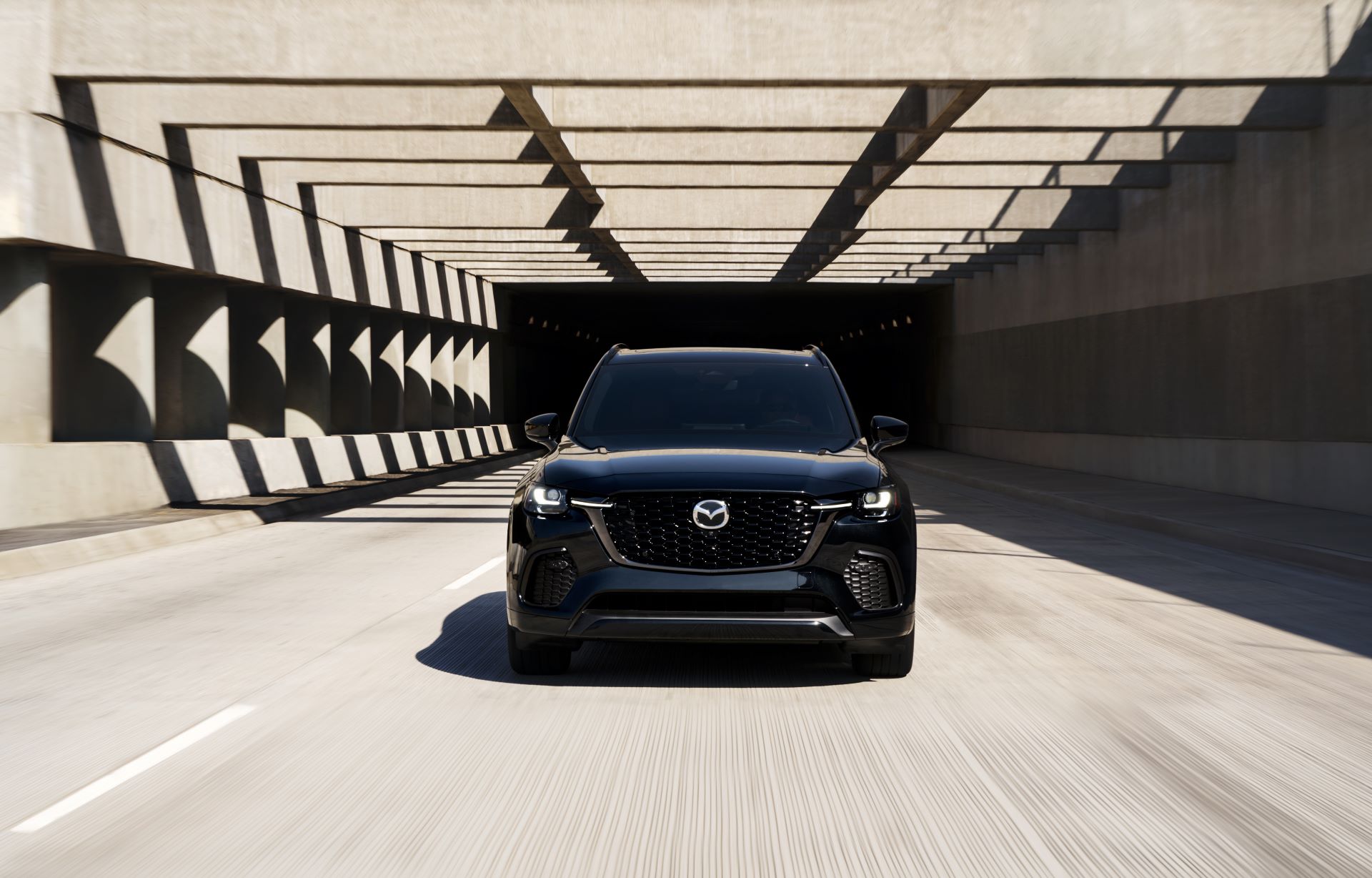
Mazda and Subaru are renowned for engineering excellence and innovation. Models from both manufacturers are popular due to their exceptional exterior styling, advanced powertrains and performance features, and state-of-the-art technology. In this article, our team at John Kennedy Mazda Conshohocken compares the reliability of these two brands to help you make an informed decision.
Mazda Reliability Overview
If you’re considering purchasing your first Mazda or upgrading your current vehicle to a more recent model, “How reliable are Mazda cars?” is a question that’ll likely be on your mind. Mazda has built a reputation for producing cars that are popular worldwide. The brand integrates traditional philosophies in its manufacturing processes, such as its minimalism-inspired guiding principle of Monotsukuri . This attention to detail allows Mazda to consistently produce vehicles that score high on the reliability index.
The 2024 Mazda CX-5 has a reliability rating of 82 out of 100 for reliability and build quality, according to JD Power, making it one of the most reliable Mazda models. Repair Pal has awarded the model a 4.5 out of 5 reliability score, ranking it first among 26 midsize SUVs. Many Mazda owners with first-hand experience have also praised this model. Based on owner reviews, the Mazda CX-5 has higher reliability ratings than popular rivals such as the Toyota RAV4 and the Honda CR-V.
Subaru Reliability Overview
Subaru is synonymous with robust engineering and durability. With powerful BOXER engines and symmetrical all-wheel-drive systems, Subaru vehicles are competent on virtually any terrain and weather conditions.
Subaru is at the top of the Consumer Reports brand reliability rankings, surpassing Lexus and Toyota. The Subaru Forester and Impreza stand out with significantly above-average reliability scores, while the Crosstrek, Ascent, Outback, and Legacy maintain above-average to average ratings. The only exception is the Solterra electric vehicle, a rebadged version of the Toyota bZ4X, which scores below average in reliability.
Head-To-Head Vehicle Comparison
To get a clearer sense of Subaru vs. Mazda reliability, it’s worth comparing their flagship offerings in the compact SUV segment: the Subaru Forester vs. Mazda CX-5. While both models offer two rows of seating, they differ regarding their performance features and interior specs.
The Subaru Forester offers a base engine that produces 170 horsepower and an optional one that generates 250 horsepower. The Forester also offers all-wheel drive as a standard feature. The Mazda CX-5 only has one engine option that delivers 187 horsepower and only offers all-wheel drive as an option.
The Forester offers a maximum cargo capacity of 74.7 cubic feet with the rear seats folded, offering a slight edge over the hatchback-styled Mazda CX-5’s 59.6 cubic feet courtesy of its BOXER design. The CX-5 delivers a sportier performance with more responsive handling than the Forester.
The Forester has a reliability rating of 3.5 out of 5, which ranks it 21 out of 26 in the compact SUV segment. The Mazda CX-5 has a score of 4.5 out of 5, positioning it first among 26 contenders in the midsize SUV segment.
The Engine Difference: SKYACTIV vs. BOXER
Mazda and Subaru stand out among their peers with their sophisticated engines, designed to deliver superior performance and acceleration and a smooth, responsive drive.
While Mazda’s SKYACTIV engine and Subaru’s BOXER are equally reliable, each offers a slight advantage in different areas. The flat design of the BOXER engine gives Subaru models a lower center of gravity, enhancing stability and handling, particularly on rough terrains. Mazda’s SKYACTIV engine features advanced combustion technologies that make it more fuel-efficient. Mazda delivers the more advanced fuel system of the two, making it the more compelling choice for modern drivers.
Safety Ratings: Mazda vs. Subaru
Both Mazda and Subaru vehicles continuously achieve high safety ratings. Mazda’s i-ACTIVSENSE safety suite comprises a comprehensive range of active driver-assistance technologies, including smart brake support, lane departure warning, lane-keep assist, and pedestrian detection. While the Subaru EyeSight driver-assistance system offers many similar features, Mazda’s safety systems are more intuitive overall, giving Mazda vehicles a better overall safety rating.
Total Cost of Ownership: Maintenance and Repairs
Mazda’s higher reliability score means that the total ownership costs are significantly lower than those of Subaru models. The annual repair and maintenance costs for Mazda vehicles are, on average, lower than those of Subaru models, while the frequency and severity of repairs are fairly low, saving you more money in the long run.
Experience the Reliability of Mazda Today
Although both Subaru and Mazda have impressive track records for automotive excellence, the latter edges out its rival regarding overall reliability. With their advanced and highly fuel-efficient powertrains, intuitive safety systems, and dynamic performance, Mazda models offer a uniquely satisfying driving experience.
If you’re in Conshohocken, Pennsylvania, we invite you to visit Mazda of Conshohocken today. Contact us to schedule a free test-drive of the latest Mazda models.
Connect with us


- July 2026
- June 2026
- April 2026
- March 2026
- February 2026
- January 2026
- December 2025
- November 2025
- October 2025
- September 2025
- August 2025
- July 2025
- June 2025
- May 2025
- April 2025
- March 2025
- February 2025
- January 2025
- December 2024
- November 2024
- October 2024
- September 2024
- August 2024
- May 2024
- April 2024
- March 2024
- February 2024
- January 2024
- December 2023
- November 2023