

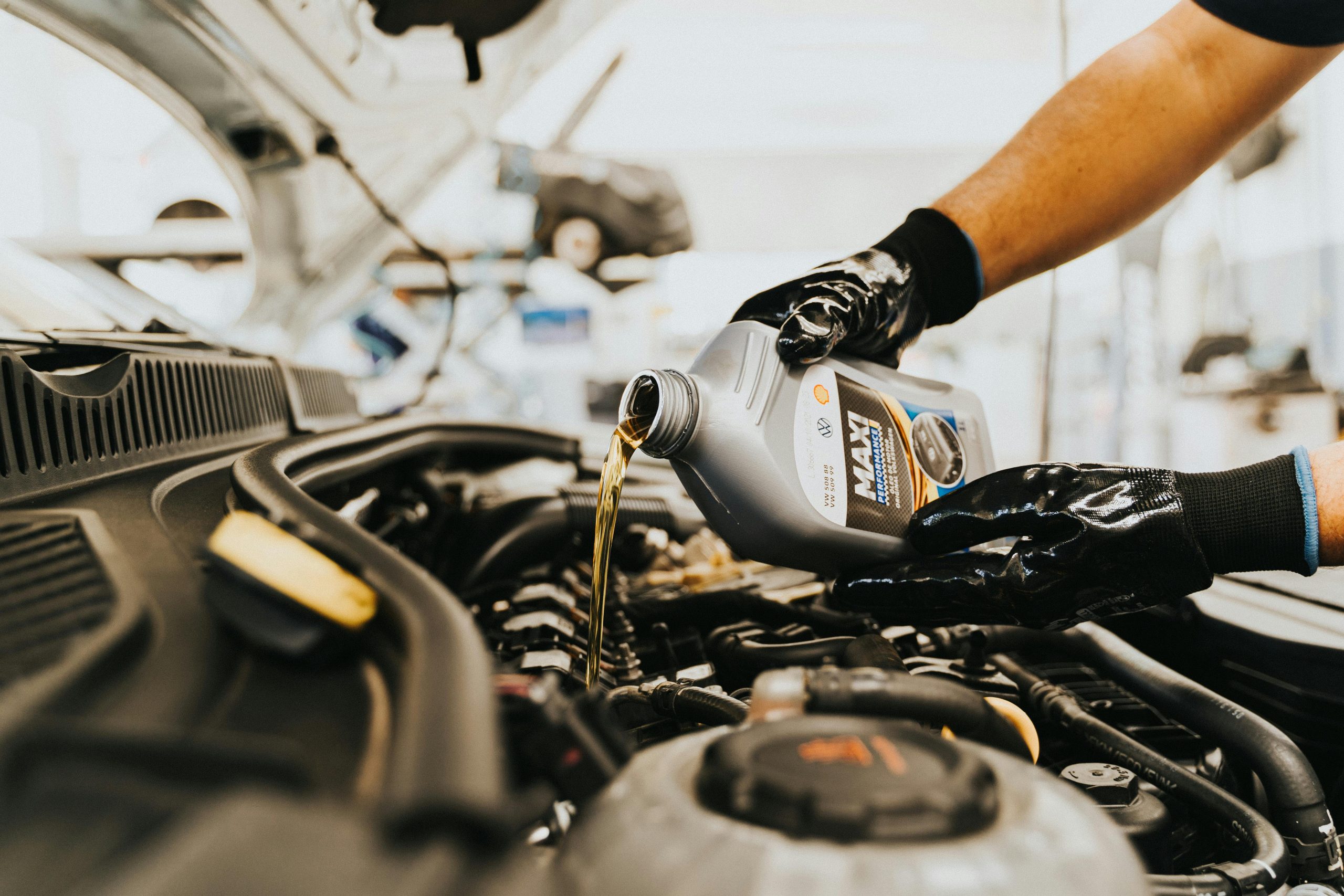
Your Mazda CX-5’s engine needs the right oil to run at its best. Pick the wrong kind, and you could find yourself looking at costly repairs or even a voided warranty. At John Kennedy Mazda of Conshohocken, our techs have helped maintain Mazdas from across the Philadelphia area, and we know what works. Join us to find out about Mazda CX-5 recommended oil choices and learn how to keep your CX-5’s engine purring for years to come.
Mazda CX-5 Oil Requirements by Model Year and Engine
What kind of oil does a Mazda CX-5 take? It’s pretty straightforward. If you’ve got a 2019-2025 CX-5 with the standard 2.5L engine, you’ll need Society of Automotive Engineers (SAE) 0W-20 oil. For the turbo version, you’ll want SAE 5W-30. For 2013-2018 models, things are even simpler, with all models taking SAE 0W-20.
It’s important to remember that using the wrong oil can cost you your warranty. Mazda’s current New Car Limited Warranty covers defects for three years or 36,000 miles and gives you powertrain protection for five years or 60,000 miles — that’s a lot to give up, so take those oil changes seriously.
Understanding Oil Viscosity Grades for Your CX-5
So, what do the numbers mean? Let’s take 0W-20 and 5W-30 as examples. That “W” stands for “Winter.” The first number (0 or 5) tells you how viscous (thick) the oil is when it’s cold. The lower the number, the thinner it is, so the better it flows. The second number (20 or 30) tells you how viscous the oil is when it gets hot.
SAE 0W-20 works in non-turbo CX-5s because Mazda’s SKYACTIV engines run with higher compression and tighter clearances than old engines, so oil needs to reach all parts of the engine quickly during startup. Tests suggest, though, that 0W-20 can degrade more quickly than thicker oils under heavy use. That’s why turbo CX-5s, which run hotter, need 5W-30.
Synthetic Versus Conventional Oil for the Mazda CX-5
Mazda demands full synthetic oil in all CX-5 models. Synthetic oil lets you go further between oil changes because it contains cleaning agents that fight sludge and wear while maintaining thickness in all Pennsylvania’s weathers.
Synthetic oil isn’t just recommended for SKYACTIV engines — it’s necessary. These high-compression, direct-injection motors run at temperatures and pressures that conventional oils can’t handle. Fresh synthetic oil keeps your engine clean and smooth. It costs more up front, but you’ll change it less often, and fewer changes mean less waste oil heading to landfills. That’s a win for your wallet, your car, and the planet.
Top Recommended Oil Brands for the Mazda CX-5
Mazda’s own 0W-20 synthetic oil, Genuine Mazda Premium Oil, tops our list for your CX-5. It’s built for SKYACTIV engines and keeps your warranty solid. If you’re looking at other brands, make sure they have American Petroleum Institute (API) SP, SN, or SM stamps on the bottle. These provide proof that the oil inside has passed tough tests for modern engine protection.
Oil Capacity and Filter Specifications
The CX-5’s standard 2.5L engine takes exactly 4.8 quarts of oil. In the turbo, that jumps to 5.1 quarts. Once you’ve put the new oil in, give it five minutes to drain down before you check the reading, and remember — wipe the dipstick clean on the first pull, then check the second reading for the real story. Some CX-5 owners say that following the 4.8-quart specification can lead to a low reading, so you might need to top it up a little afterward.
Never skip the filter when you’re changing your oil. Official Mazda filters catch all those tiny metal fragments and other unwanted residue that can damage your engine over time; many aftermarket filters just don’t match up.
Oil Change Intervals and Maintenance Schedule
Your CX-5’s first service happens at 12 months or 7,500 miles. We’ll change your oil and filter, check your brakes, and rotate your tires. After that, you’ll need oil changes at least every 7,500 miles.
Within that maximum, your CX-5’s oil monitor will calculate when you need fresh oil based on engine temperatures and driving conditions. If you tow often, drive on dirt roads, or face brutal Philly winters, you’ll need more frequent service. If you’re gentler on your CX-5, take care not to push past Mazda’s maximum intervals, even if the light hasn’t come on — you could void your warranty or damage your car.
DIY Versus Professional Oil Changes
DIY oil changes cost around $35-50 for synthetic oil and a new filter, but you’ll need the right tools and know-how. With our specials, you can save yourself the trouble for just a little extra. What’s more, when we change your oil, we check other key areas, catching any problems early. DIY might save you some cash today, but if you miss that leak or worn belt, you’ll pay for it later. Warranty claims require proof of proper maintenance, and servicing by our techs will give you that paper trail.
Common Oil-Related Issues in the Mazda CX-5
While the CX-5 is cheaper and easier to maintain than many SUVs, oil leaks can always be a problem. Watch out for puddles under your car, warning lights, burning smells, or rough running. We catch most leaks during regular oil changes before they become major problems.
Oil pressure problems also spell trouble. Low pressure readings can come from a bad sensor, sludge clogging the pickup tube, a blocked filter, or a worn-out oil pump. These issues are best left to professionals, since they require specialized tools and expertise to diagnose these issues and repair your CX-5.
Get Expert Oil Care for Your Mazda CX-5
Picking the right Mazda CX-5 oil type and changing it on schedule pays off — your CX-5 runs better, burns less gas, and lasts longer. Our techs at John Kennedy Mazda of Conshohocken know the CX-5 inside out and have worked on hundreds just like yours, so why gamble with your engine? Give us a call or get in touch online and let our pros handle your next oil change. You’ll feel the difference in how your CX-5 drives, and you’ll know you did right by your Mazda.
Connect with us


- July 2026
- June 2026
- April 2026
- March 2026
- February 2026
- January 2026
- December 2025
- November 2025
- October 2025
- September 2025
- August 2025
- July 2025
- June 2025
- May 2025
- April 2025
- March 2025
- February 2025
- January 2025
- December 2024
- November 2024
- October 2024
- September 2024
- August 2024
- May 2024
- April 2024
- March 2024
- February 2024
- January 2024
- December 2023
- November 2023